September 17, 2026
A smile can influence how you present yourself, communicate with others, and feel during everyday interactions. When teeth are discolored, chipped, worn, crowded, or uneven, cosmetic concerns can affect more than appearance alone. A local dentist can evaluate the condition of your teeth and discuss treatments that address both aesthetic goals and oral health needs. With professional planning, modern dentistry can create a smile that looks balanced, natural, and suited to your facial features.
Evaluate Your Smile’s Current Condition
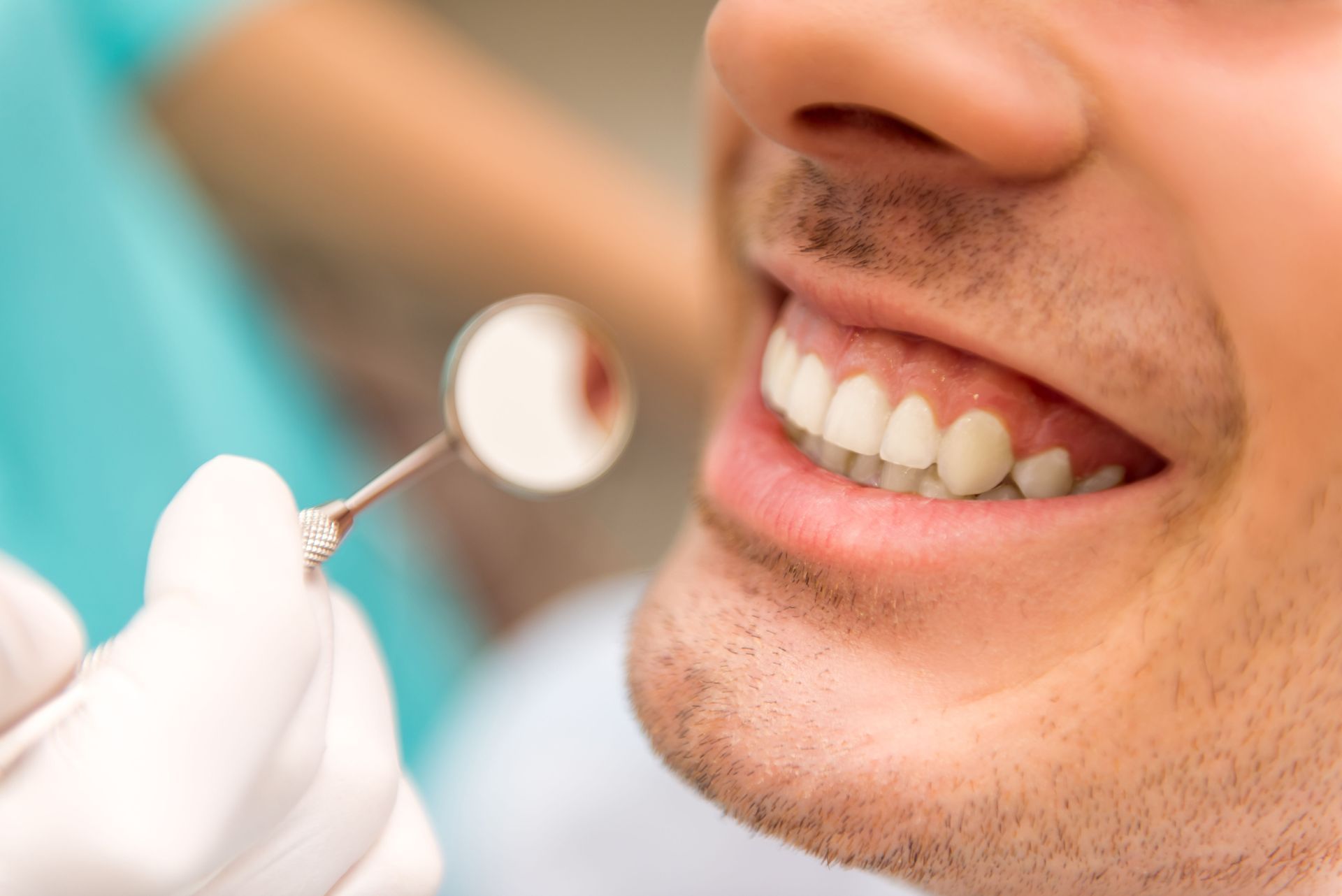
A successful smile transformation begins with a thorough evaluation rather than selecting a cosmetic treatment based only on appearance. A local dentist can examine the teeth, gums, bite, existing restorations, and overall oral health before recommending an appropriate approach. This assessment helps identify concerns that could affect the outcome of cosmetic treatment, including decay, gum problems, enamel damage, or bite irregularities. Addressing those issues first can provide a healthier foundation for future aesthetic improvements.
During an evaluation, the dentist can also discuss what you want to change about your smile. Some patients may want brighter teeth, while others may be concerned about chips, gaps, uneven edges, or the overall proportion of their teeth. Understanding these goals allows treatment planning to focus on changes that complement your natural appearance. The result is a more individualized approach instead of applying the same cosmetic solution to every patient.
Improve Tooth Color and Brightness
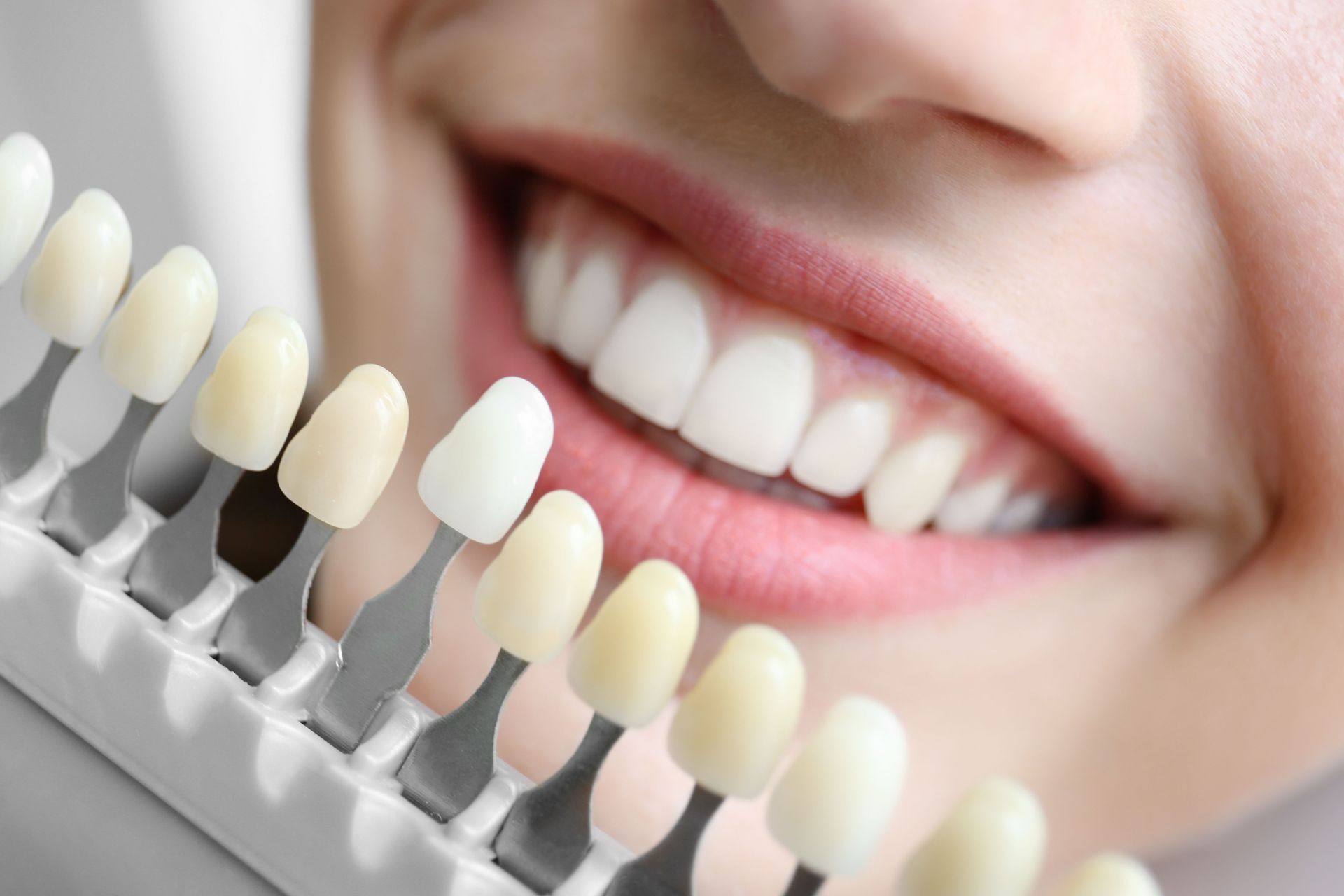
Tooth discoloration is one of the most common reasons people seek cosmetic dental care. Stains can develop from foods, beverages, tobacco exposure, aging, medications, or changes within the tooth itself. A local dentist can determine whether professional whitening, restorative treatment, or another cosmetic option is appropriate for the type and severity of discoloration present. Professional evaluation also helps distinguish surface staining from deeper color changes that may require a different approach.
Whitening can refresh a smile without changing the shape of the teeth, making it useful for patients who are primarily concerned with color. A dentist can select an approach based on tooth sensitivity, existing dental work, and the desired degree of improvement. Because crowns, fillings, and veneers do not respond to whitening in the same way as natural enamel, professional guidance can help maintain a consistent appearance. This attention to the entire smile can make the final result look more harmonious.
Correct Minor Cosmetic Imperfections
Small imperfections can have a noticeable effect on the overall appearance of a smile. Chips, worn edges, small gaps, irregular contours, and minor shape differences may be addressed through treatments such as bonding, contouring, veneers, or other restorative procedures. A local dentist can determine which option is appropriate based on tooth structure, function, aesthetics, and long-term considerations. The goal is not simply to make individual teeth look different, but to create a balanced relationship among the teeth.
Cosmetic improvements can also be coordinated across several teeth when a broader change is desired. Careful planning helps the dentist consider tooth color, width, length, shape, and alignment together. This approach can prevent one treated tooth from appearing noticeably different from the surrounding teeth. By considering the smile as a whole, treatment can produce a more cohesive and natural-looking result.
Explore Modern Veneer Options
Dental veneers are among the cosmetic treatments available for changing the appearance of teeth with concerns involving color, shape, size, or minor alignment. Veneers are thin coverings designed to alter the visible surface of a tooth, and treatment planning involves determining whether they are appropriate for the patient's specific dental condition. According to Grand View Research, the global dental veneers market was valued at approximately $6.7 billion in 2023 and is projected to reach $11.45 billion by 2030, reflecting continued growth in this area of cosmetic dentistry.
A local dentist can explain the differences among available veneer materials and approaches during a consultation. Factors such as enamel condition, bite, tooth position, desired appearance, and long-term maintenance can influence the recommendation. Digital imaging and other modern planning tools may also help dentists evaluate proportions and visualize potential changes. This makes the consultation an important part of understanding what veneers can realistically accomplish for an individual smile.
Enhance Smile Proportions and Symmetry
A pleasing smile involves more than having straight or white teeth. Tooth proportions, spacing, gum visibility, and the relationship between the upper and lower teeth all contribute to how a smile appears. A local dentist can evaluate these relationships when planning cosmetic treatment, helping ensure that changes to individual teeth fit the overall structure of the smile. Small adjustments in length or shape can sometimes make a noticeable difference in visual balance.
Smile design can also take surrounding facial features into account. The shape of the lips, facial proportions, and natural tooth characteristics can influence how a cosmetic result appears when speaking or smiling. Professional treatment planning allows these factors to be considered before procedures are performed. This personalized approach helps cosmetic dentistry remain focused on creating an appearance that fits the individual rather than following a one-size-fits-all model.
Address Alignment and Spacing Concerns
Alignment and spacing can affect both smile appearance and oral function. Depending on the severity and cause of the concern, treatment may involve orthodontic care, restorative dentistry, or a combination of services. A local dentist can evaluate the position of the teeth and determine whether cosmetic treatment alone is appropriate or whether underlying alignment concerns should be addressed first. This distinction can help prevent cosmetic work from being used to mask a functional problem.
When orthodontic treatment is indicated, modern options may provide discreet ways to gradually reposition teeth. Once alignment is improved, additional cosmetic treatments may be considered if changes in color, shape, or tooth proportions remain desirable. Coordinating these steps can create a more comprehensive smile transformation. It can also help ensure that cosmetic procedures are planned around a stable dental foundation.
Restore Damaged or Worn Teeth
Damaged and worn teeth can make a smile appear uneven while also affecting everyday dental function. Cracks, fractures, worn enamel, and failing restorations may require restorative treatment before cosmetic changes are considered. A local dentist can assess the extent of damage and recommend treatment that supports the tooth's structure while improving its appearance. Depending on the situation, options may include fillings, crowns, bonding, or other restorations.
Restorative dentistry can provide cosmetic benefits when materials are selected and shaped to complement surrounding teeth. Matching color, contour, and proportions can help repaired teeth blend into the smile. Addressing damaged teeth can also reduce the chance that cosmetic improvements will be placed over unresolved structural concerns. The combination of function and appearance is an important part of a comprehensive smile transformation.
Maintain Oral Health After Treatment
A smile transformation does not end when cosmetic treatment is completed. Ongoing examinations and professional cleanings help dentists monitor the condition of natural teeth, gums, and restorations over time. A
local dentist can also identify changes that may affect the appearance or function of a treated smile. Regular professional care provides an opportunity to address developing concerns before they become more complicated.
A healthier, more balanced smile can make a meaningful difference in everyday life, and professional dental care provides a structured way to pursue those improvements. At Enrich Dental, we can evaluate your smile, discuss your concerns, and help you understand cosmetic and restorative options suited to your needs. Our team can develop a personalized treatment plan that considers your oral health, aesthetic goals, and long-term dental needs. Contact Enrich Dental to schedule a consultation and take the next step toward a smile you feel comfortable sharing.